Making the invisible visible: A visual guidebook that translates scientific research on microplastics into an intuitive, haptic editorial experience.
Eating without microplastics? Almost impossible. Micro- and nanoplastics have long been a permanent component of our diet - found in food, packaging, and even our kitchens. While avoidance is difficult, awareness and informed decision-making can significantly reduce exposure in everyday life.
Completed as a Bachelor thesis in Communication Design at HfG Schwäbisch Gmünd, this project investigates the unavoidable presence of micro- and nanoplastics within the human food chain. By synthesizing vast amounts of scientific data, the book provides a structured, accessible guide for everyone, that empowers consumers to understand and mitigate plastic exposure in the kitchen.
The Challenge
Despite growing public awareness, microplastics remain an abstract, invisible threat. Scientific literature is often too detailed and complicated for the general public, while popular guides often lack the depth the topic usually requires. The challenge lay in navigating these extremes. The objective was to bridge this gap by creating an information system that maintains scientific detail while remaining intuitive and easy to understand for everybody.
Methodology & Research
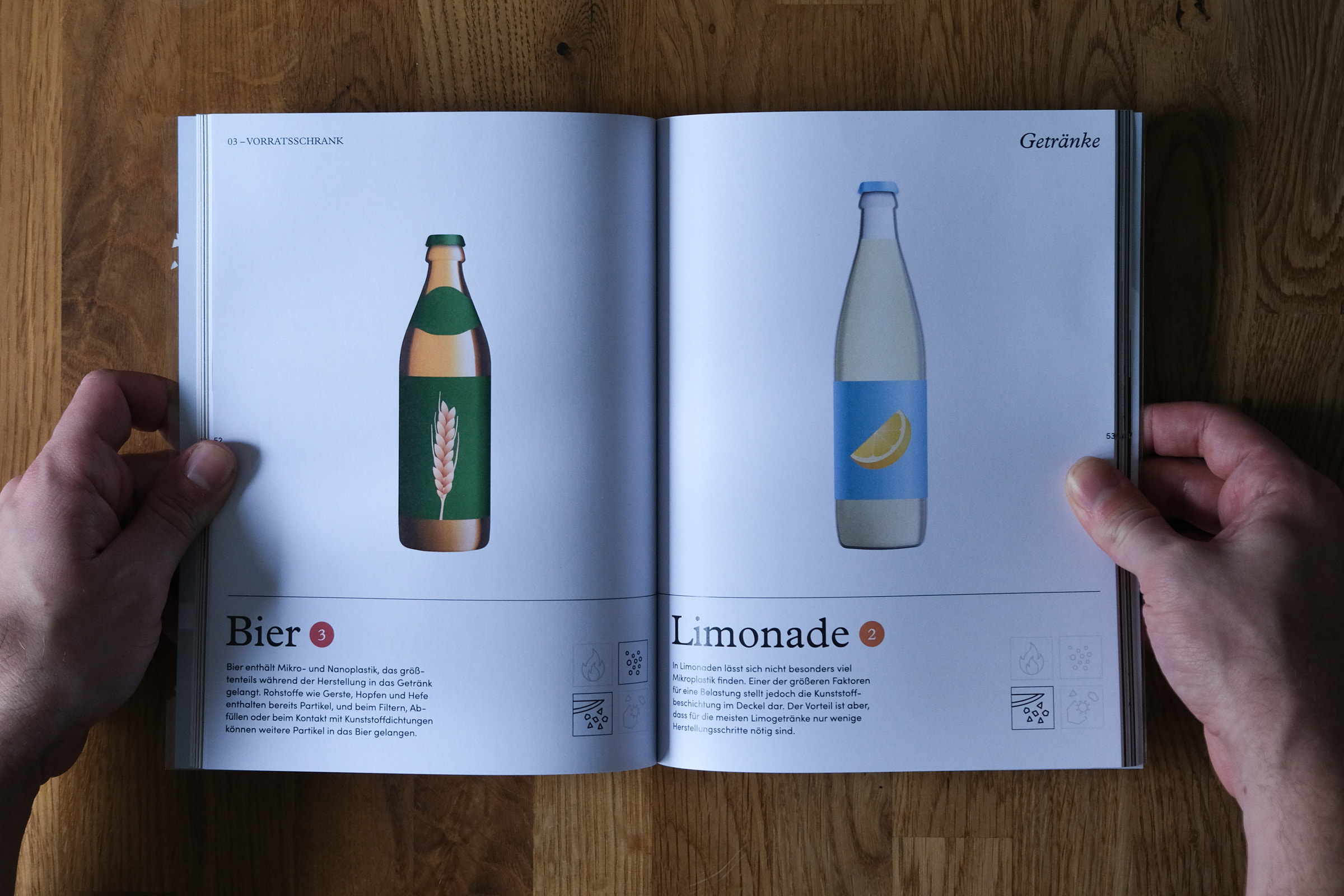
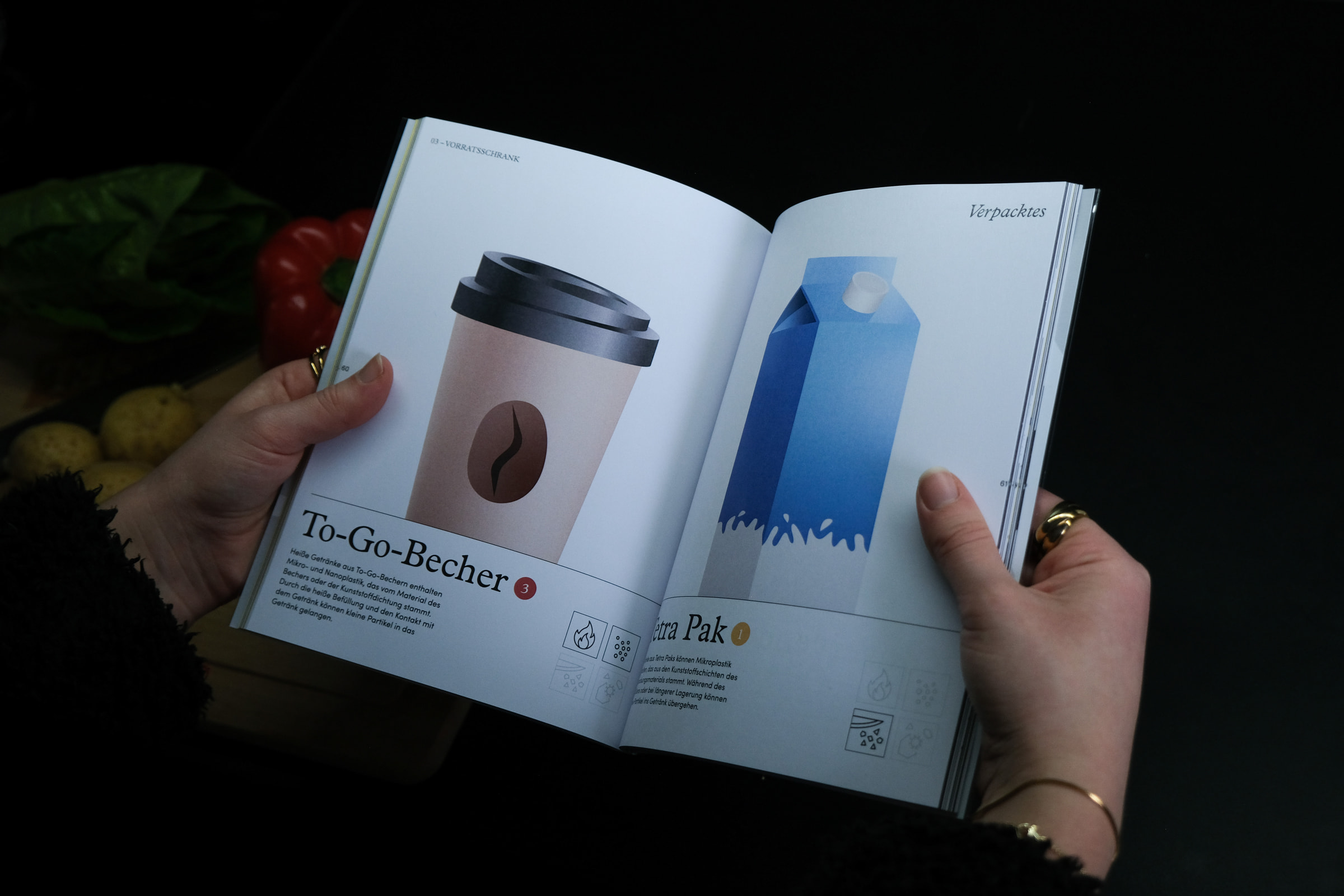
The research phase involved a deep dive into polymer science and the paths of primary and secondary plastics from the creation of plastic into the ocean back to the plate. The book explores why certain foods or drinks, like bottled water, are heavily researched while others like meat or vegetables, remain scientific blind spots, and why it is so difficult for scientists to get reliable results. The data around the amount of plastics and food can vary from study to study, from weight to amount. To solve the data inconsistency, a Rating System was developed. Instead of relying purely on unstable numerical values of the exposure of plastic in weight or particles, the system evaluates potential exposure additionally through four defined risk factors: heat, abrasion, nanoplastic presence, and pollutant transport.
Visual Design & System
The visual strategy bridges the gap between a "technical scientific" aesthetic and an "emotional guidebook" through color, style and typography. A multi-column grid system provides the necessary structure for complex information, while flexible margins allow for dynamic, large-scale imagery.
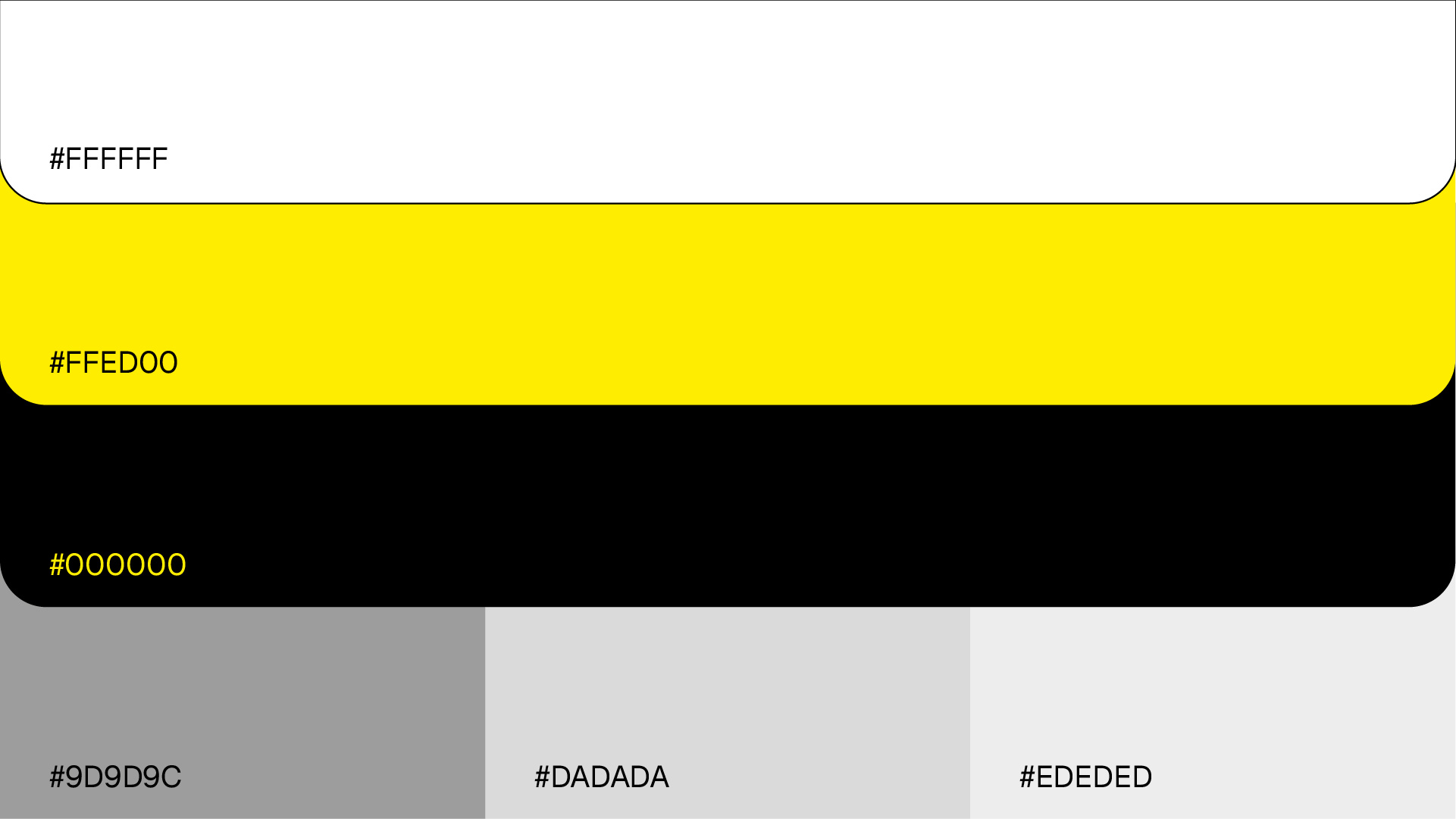
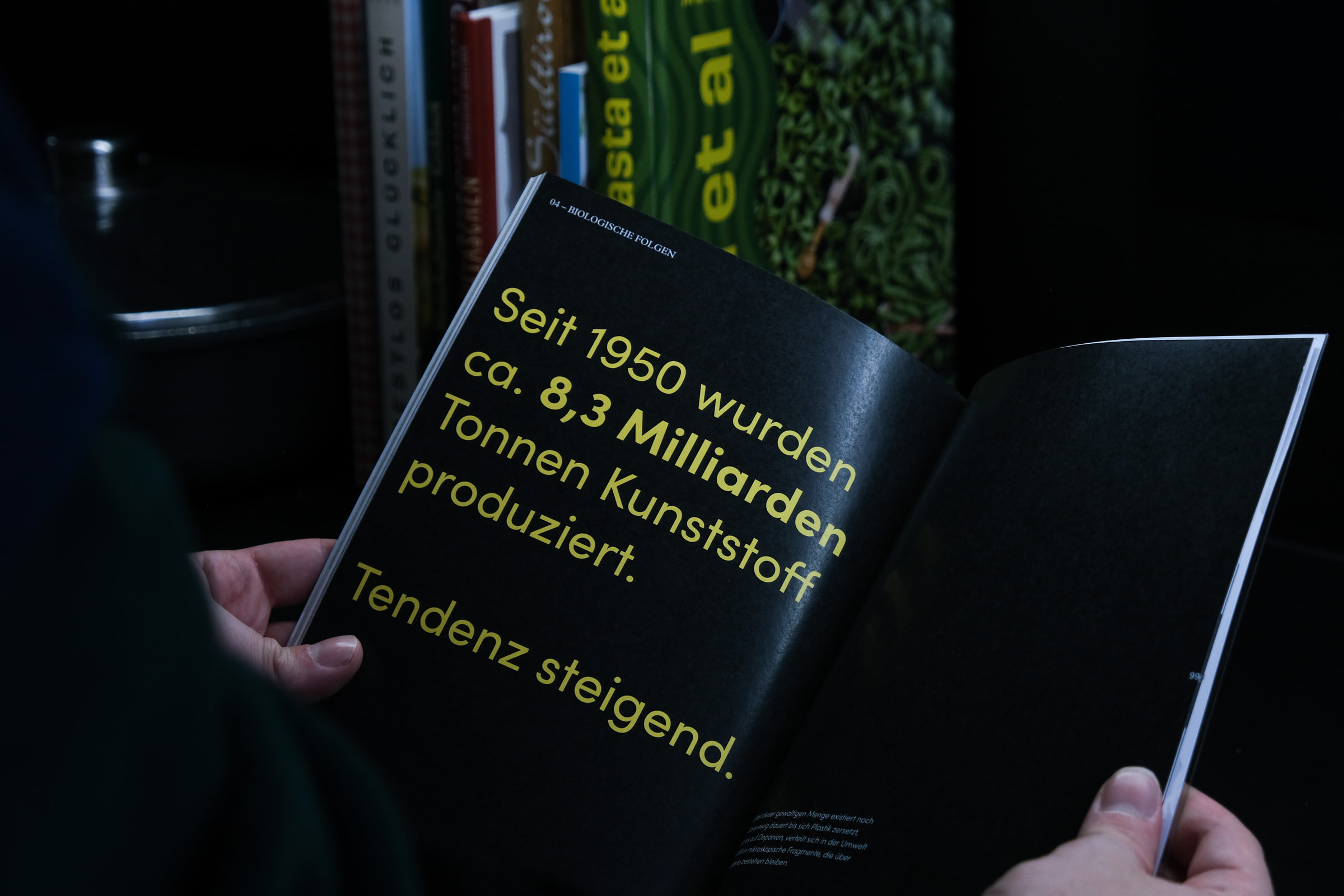
The typography reflects the project’s dual nature: the sans-serif Sofia Pro represents modern design, while pairing it with Plantin MT Pro ensures good readability and hierarchy. The color palette is separated based on book chapters. While the fundamental informational part is strictly functional, utilizing a systematic coding in greyscales with an accent color of yellow, to differentiate polymer types and risk levels, the more playful chapter in the middle lies in contrast to that, with a very bright and colorful illustration style. Detailed microscopic illustrations and pictograms make the invisible particles visible.
The Solution
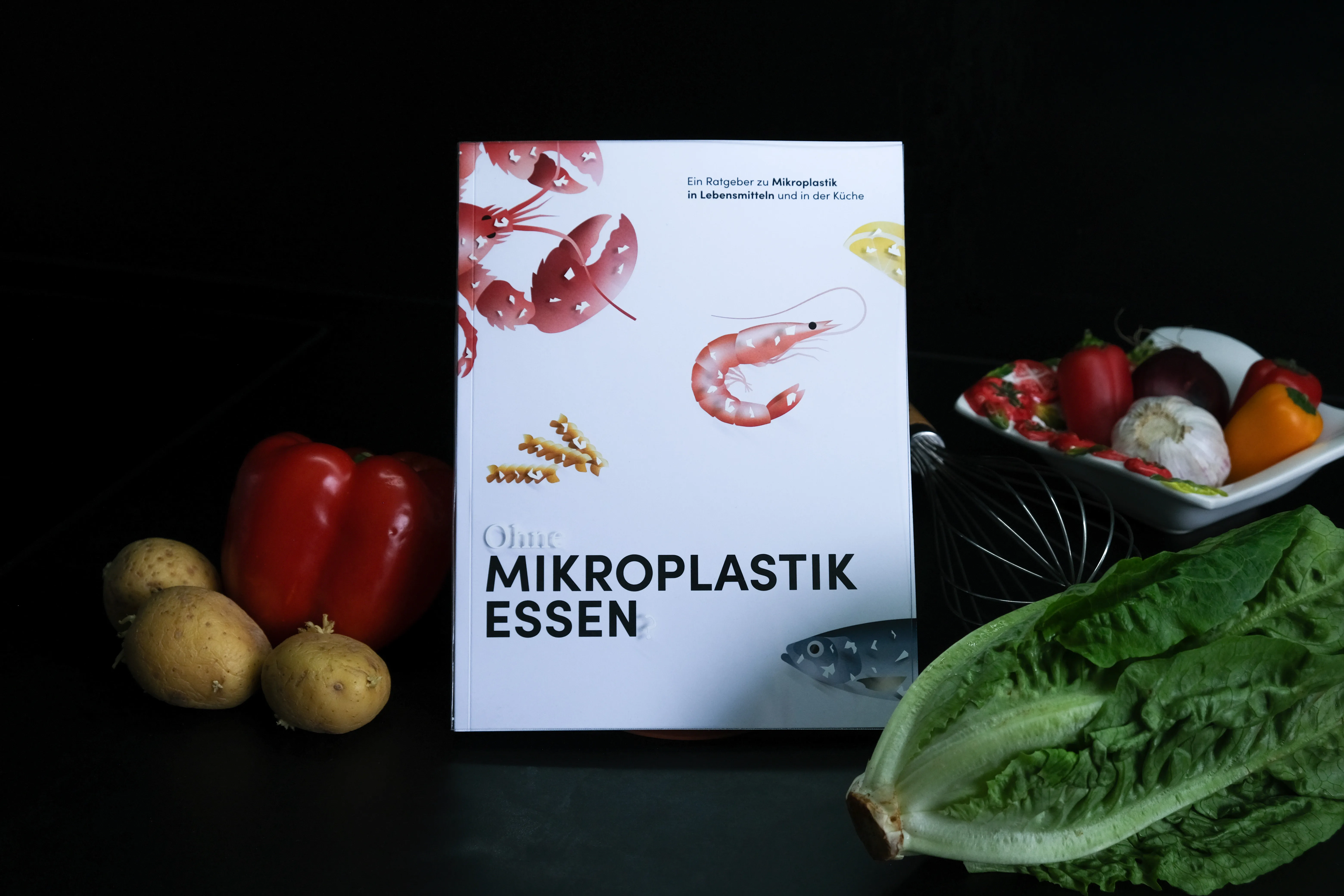
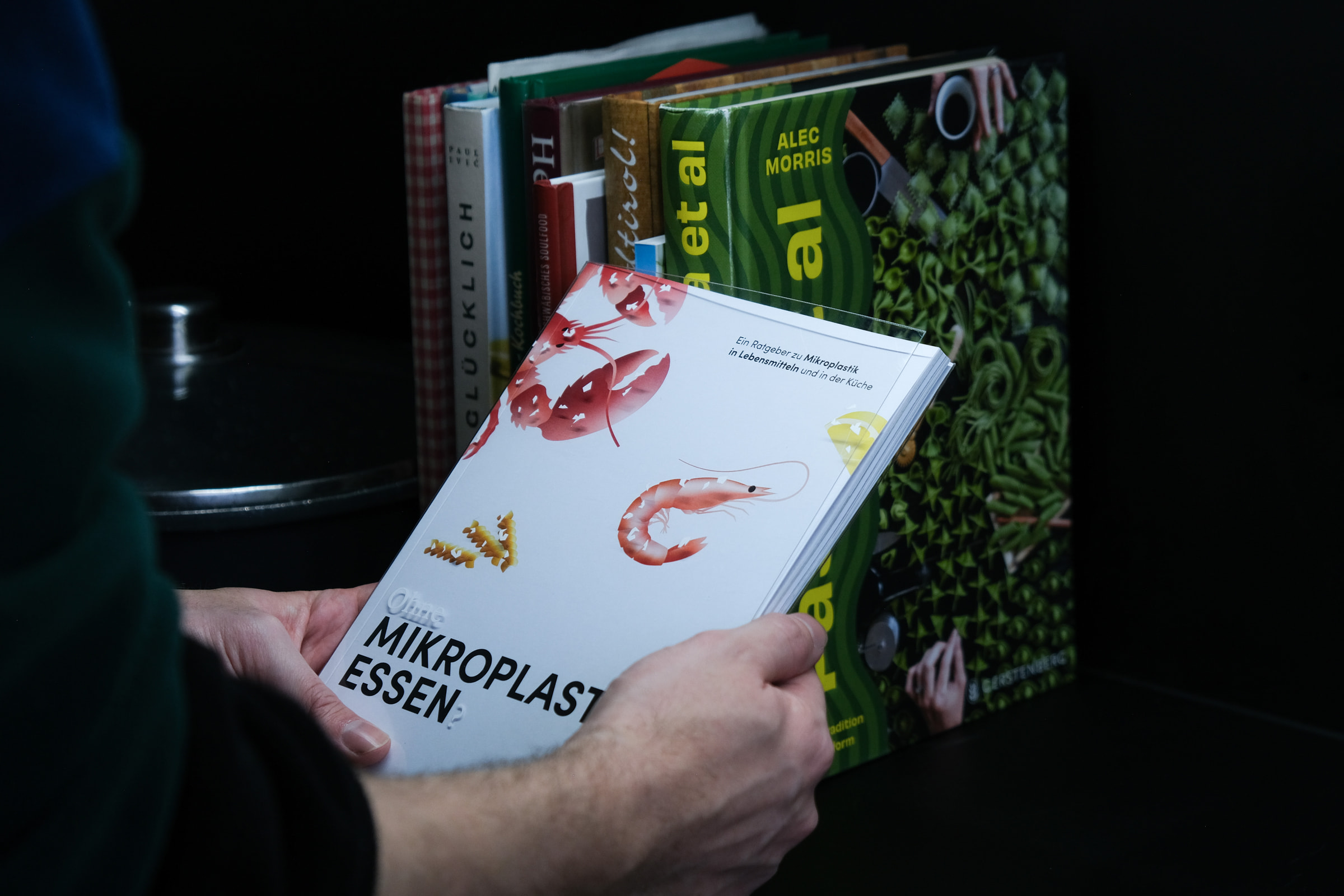
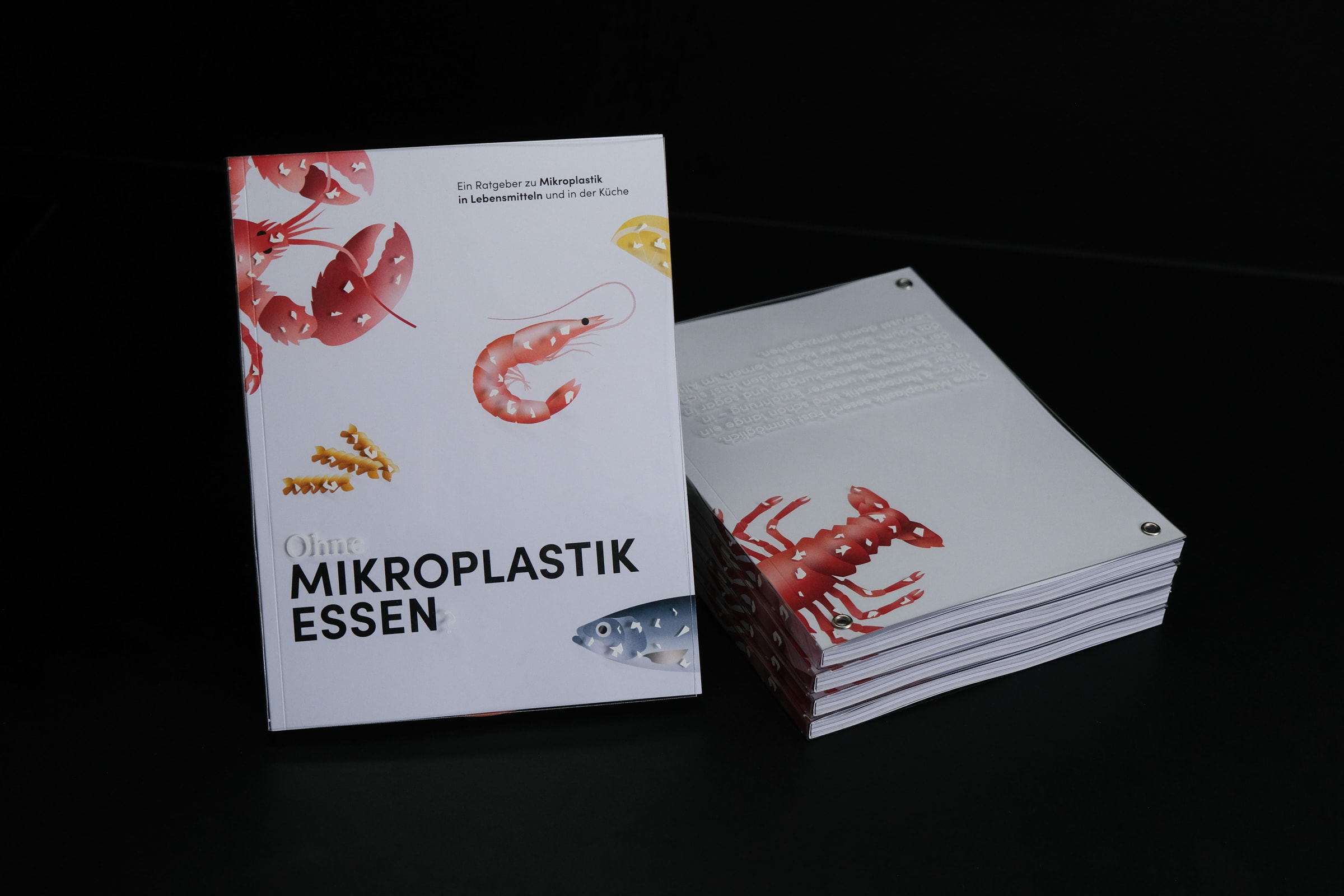
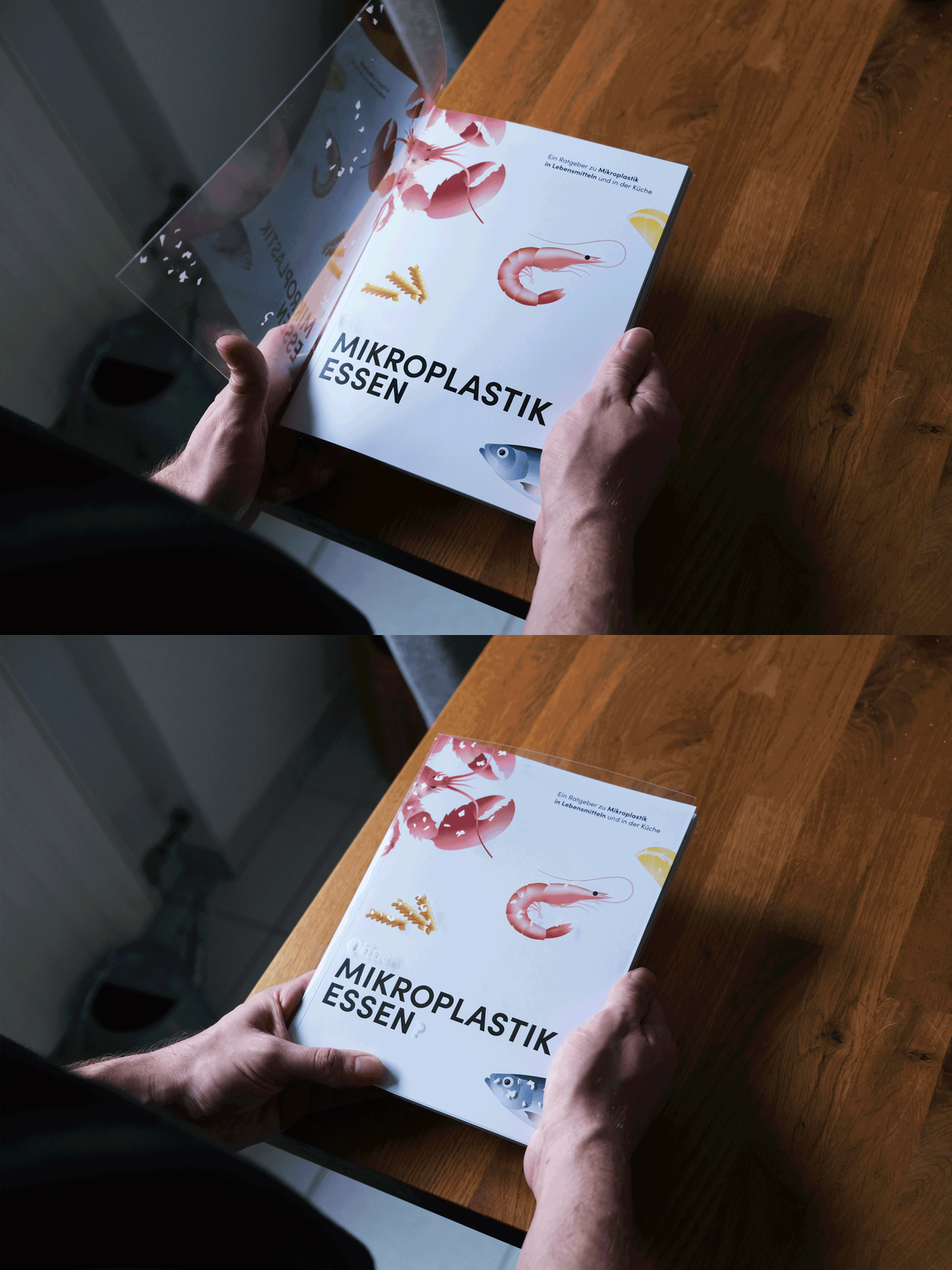
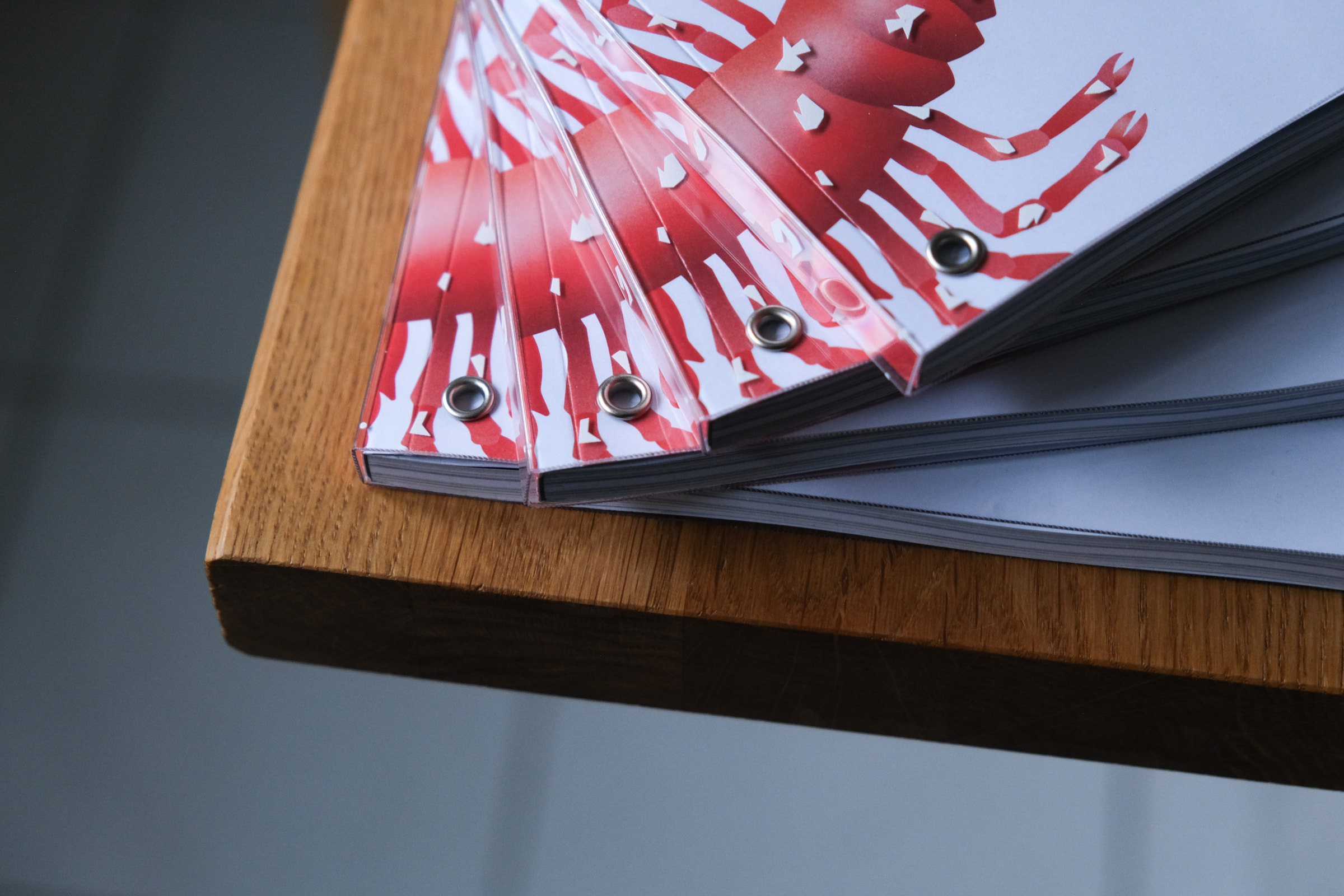
The final outcome is an editorial guidebook enclosed in a custom-printed, transparent PET-G sleeve. This physical layer acts not only as a protective shield that enhances longevity, it also acts as a metaphor: the white-printed "particles" as well as the title's "Without" on the sleeve only become visible when placed over the food images on the cover, making the "invisible ingredient" visible.
Inside, the book is structured into four chapters: Form & Diversity, The Measurement Dilemma, The Pantry, in which a broad overview about how much plastic is in what is given, and, as a final roundup, the Biological Impact and why we actually should care about it. This narrative flow guides the reader from abstract theory to actionable kitchen advice, to the actual reasons why we, as individual persons, and also as society, should care.
Impact & Reflection
As a Bachelor thesis, this project demonstrates the power of design to act as a translator for complex science. It shows that information design can and should do more than just "visualize data" - it can provide orientation in a chaotic information landscape. The use of haptic materials and clean information design results in a book that not only gives information, but aims to change the way users perceive their daily environment and their own health.
More Projects