Translating music and complex sounds into a consistent visual language through a monochrome, grid-based animation.
Created for the "Audiovisual Design" course at HfG Schwäbisch Gmünd, this project explores the systematic conversion of music into visuals. Using Takami Nakamoto’s track Mosha , the work analyzes electronic sound profiles - including melody, rhythm, timbre and volume - and translates it into an immersive, motion-driven video experience that bridges the gap between sound and image:
The Challenge
The primary objective was to map a highly complex electronic soundtrack with diverse, often overlapping tones onto a visual platform. The visualization needed to achieve absolute synchronization between acoustic sounds and visual movements without overwhelming the viewer. Maintaining "eye-ear coordination" was critical; even minor delays or visual clutter would diminish the atmosphere of the fast, complex track.
The Process
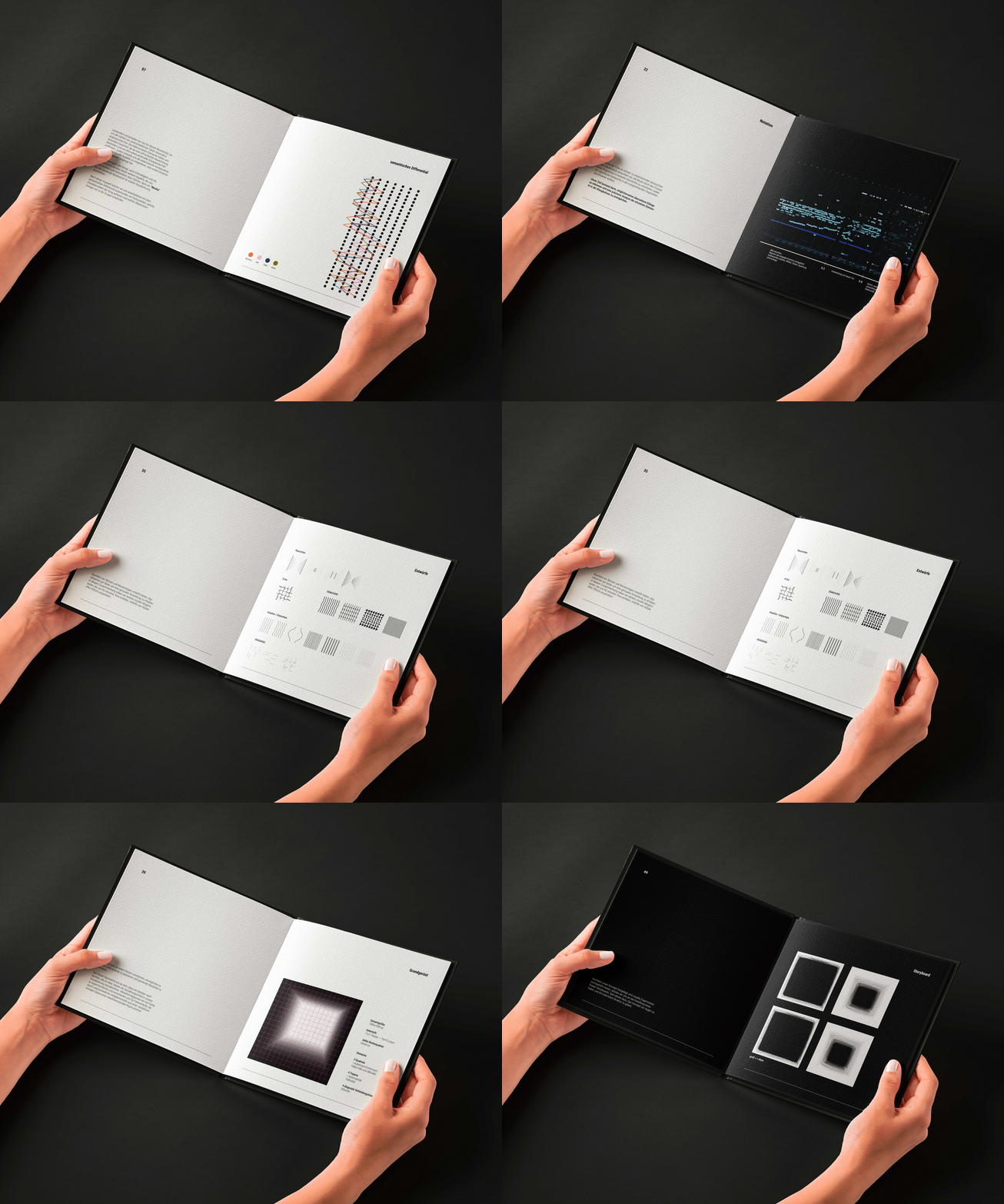
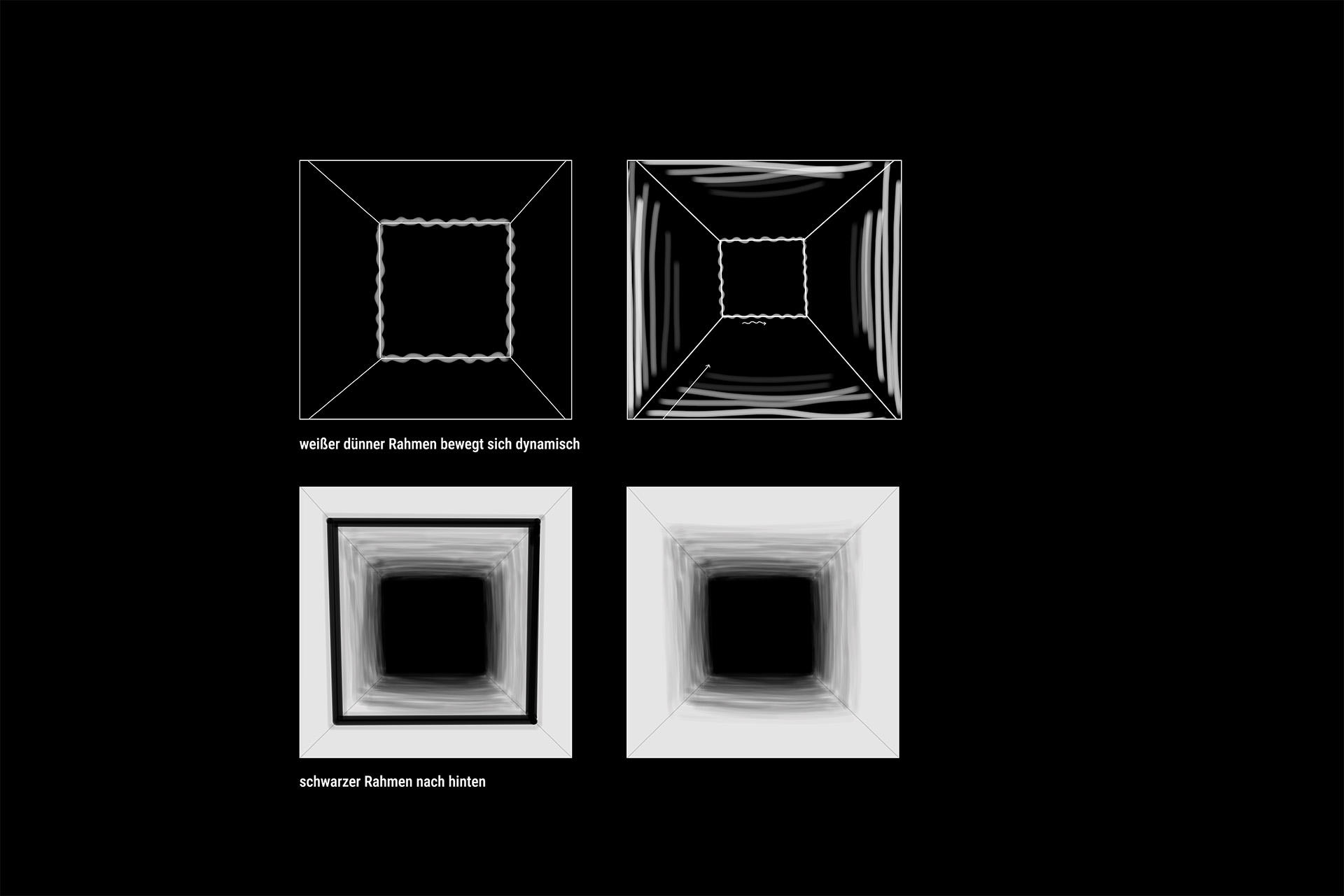
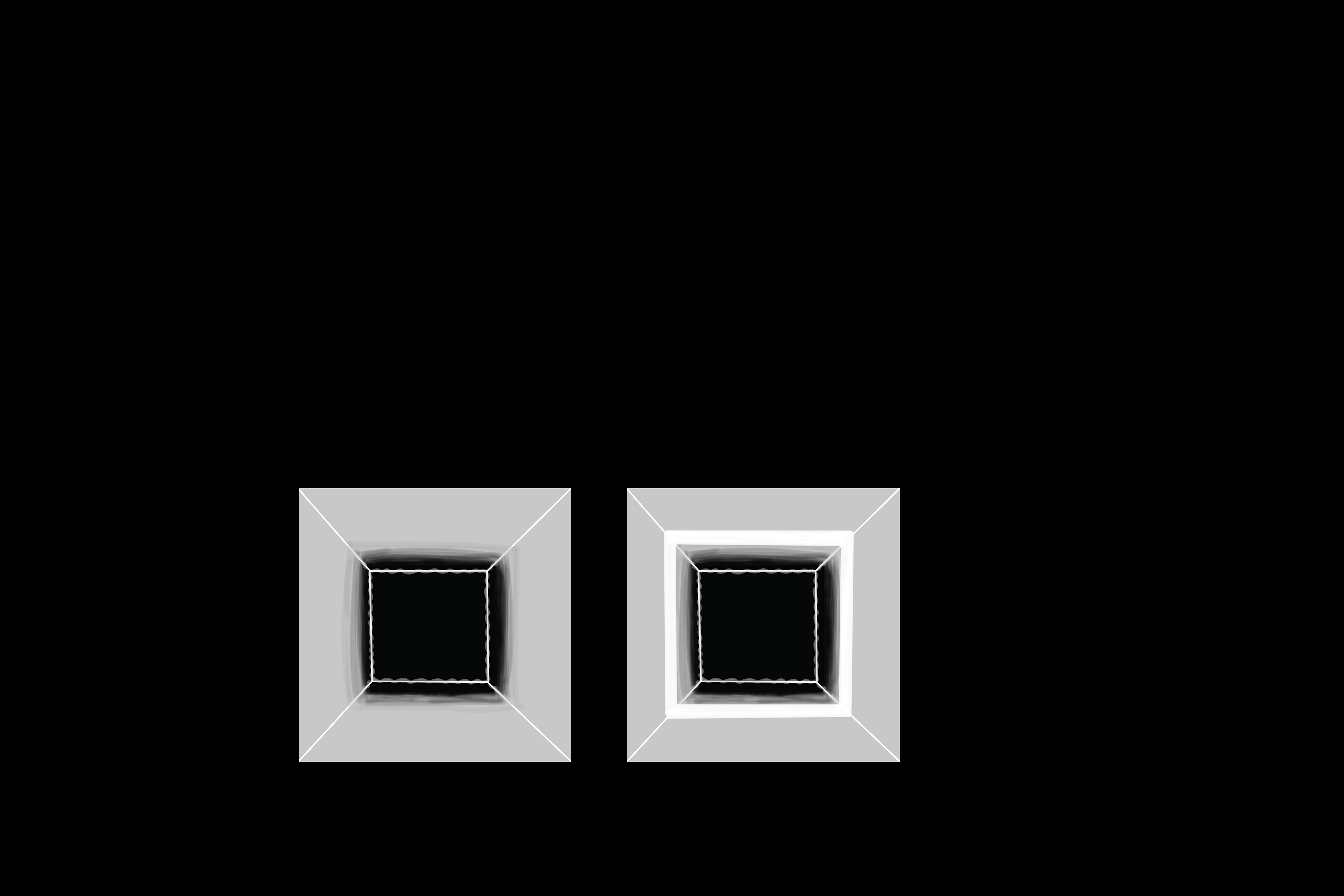
The process began with a deep parameter analysis, identifying recurring patterns such as "static/noise," "electricity," and "vibrating echoes." These were classified by their frequency, intensity, and duration. After experimenting with different forms, the design evolved into a 17x17 grid system that creates a three-dimensional room.
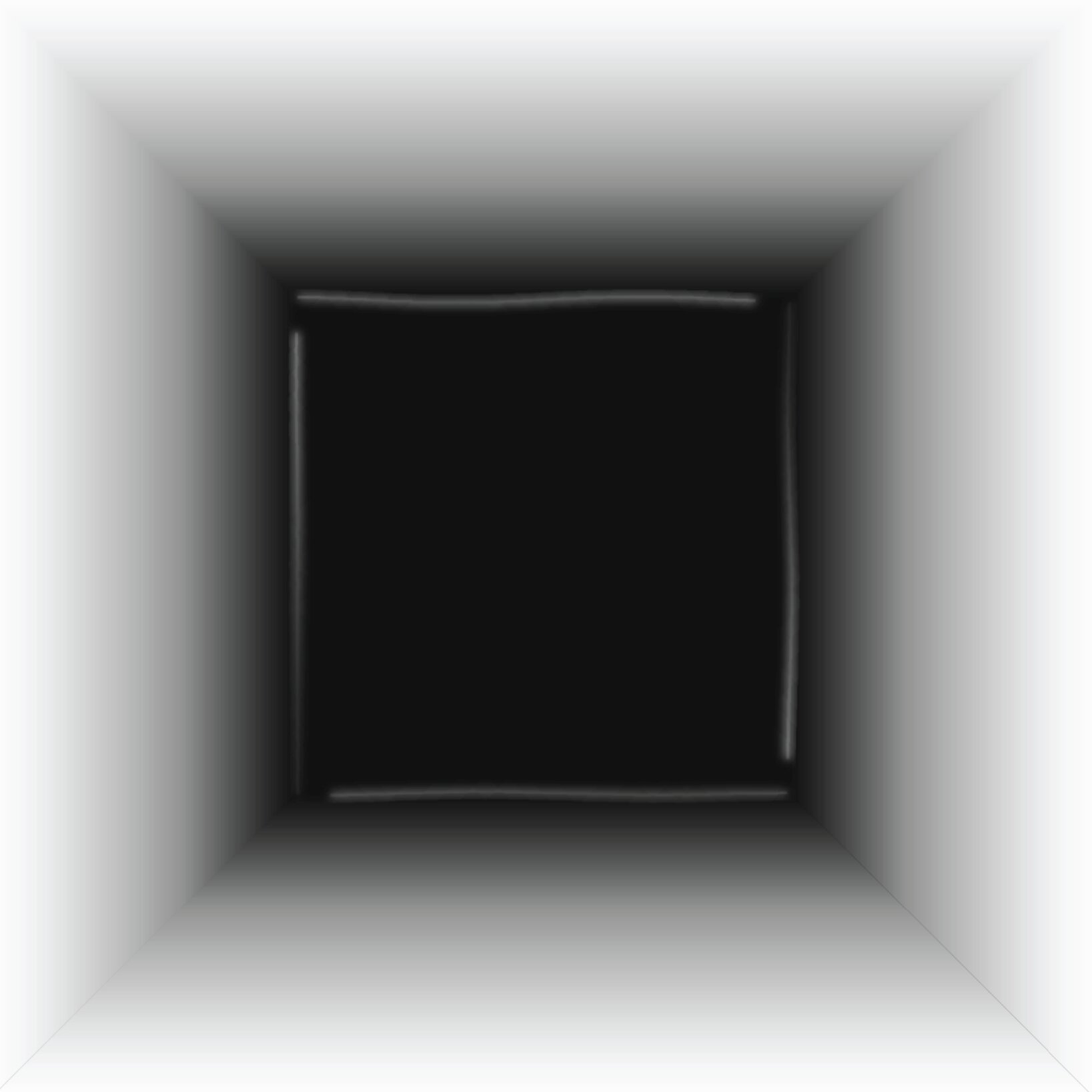
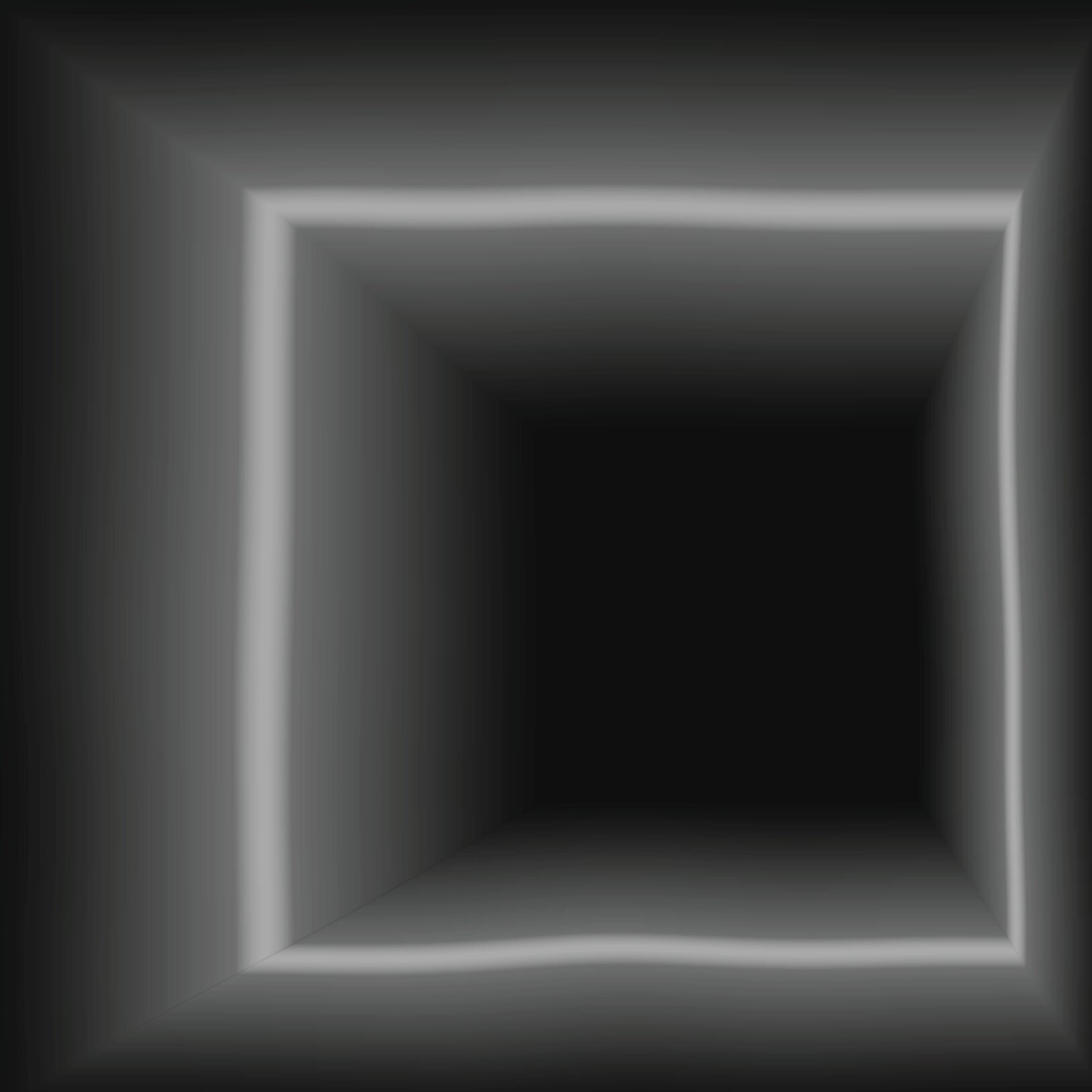
This approach allows dynamic depth: scaling elements mimic movement toward or away from the focal point. A strictly monochrome palette was chosen to focus the viewer's attention on structure and motion, and not overwhelm with color. By utilizing black-to-white gradients, the flat two-dimensional plane is transformed into a responsive, infinite space where light and shadow react directly to the rhythmic intensity of the track.


The Solution
The final solution is a square-format animation where the environment itself becomes the instrument. The created visual "room’s" focal point shifts according to the song's energy, providing flexible adaptation to fast and calmer passages. Visual dynamics - including rotation, deformation and stretching, and negative color flips - are employed to represent distinct sound events like impacts or trilling melodies. This creates an ecosystem where the geometry and sound are inseparable, transforming the abstract track into an understandable visual experience.
More Projects